
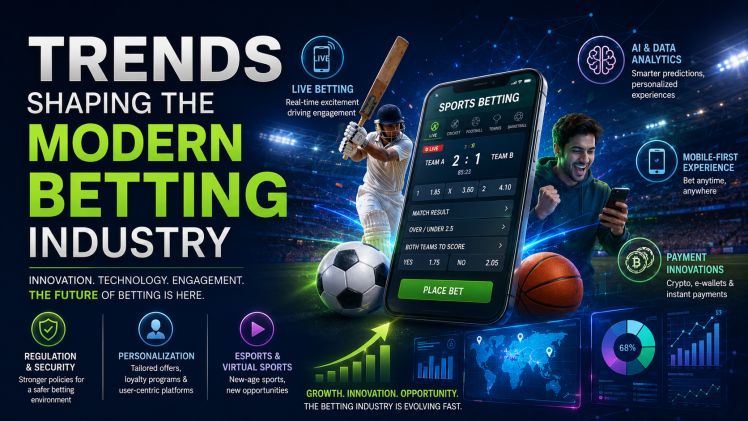
The intersection of live sports viewership and digital wagering has created a dynamic shift in how fans engage with their favorite athletic events. Decades ago, watching a game and placing a wager were entirely separate activities that required different platforms and locations. Today, the rapid integration of real-time data has completely transformed the viewer experience. At the center of this evolution are Sports Betting Broadcasts (토토중계), which merge live on-field action with instant odds updates to keep audiences constantly engaged. By seamlessly displaying statistics, predictive models, and shifting lines directly on the screen, these specialized streams offer a comprehensive entertainment package. This synchronization has not only heightened fan engagement but also revolutionized the economic framework of modern sports media.
What Are the Current Viewership Statistics in Wagering Media?
Understanding the impact of this integrated media requires looking closely at consumer habits. Recent industry metrics reveal that audiences who participate in wagering activities consume significantly more sports content than non-participating viewers. On average, fans actively tracking odds watch an estimated 45% more live matches per week.
Data highlights that dedicated streaming platforms displaying real-time lines retain viewership longer. Standard broadcasts often see viewer drop-off during blowouts or late stages of decided games. Conversely, streams equipped with localized wagering data maintain consistent audience retention rates, dropping only 12% in the final quarter compared to a 35% drop in traditional feeds. This prolonged engagement translates directly into higher ad revenues and subscription retention.
How Is Mobile Technology Changing Viewer Habits?
The shift toward mobile consumption is one of the most prominent statistics shaping modern digital entertainment. More than 70% of all digital wagers are now placed via smartphones or tablets. Consequently, media providers are optimizing their live feeds specifically for vertical viewing and mobile-first interfaces.
Interactive elements previously reserved for desktop setups are now streamlined for smaller screens. Viewers can simultaneously watch a high-definition stream, review historical player metrics, and confirm their predictions without ever minimizing the application. Metrics indicate that mobile feeds featuring low-latency delays (under two seconds) see a 50% increase in in-game audience participation compared to streams with standard television delays.
What Role Do Real-Time Analytics Play?
Modern audiences demand actionable information rather than just passive commentary. Advanced data analytics have become the backbone of specialized media coverage. Analysts now provide immediate statistical probabilities, such as a basketball player’s likelihood of making a specific shot based on their historical court positioning.
Viewers interacting with these data-heavy streams report a 60% higher satisfaction rate. By utilizing artificial intelligence to parse thousands of historical data points per second, networks can display dynamic infographics that update instantly as the game unfolds. This statistical approach educates the audience, transforming casual watchers into highly informed participants who understand the nuances of probability and risk management.
Why Are Micro-Events Becoming the Standard Focus?
Traditional engagement revolved around the final outcome of a match. Current trends highlight a massive pivot toward micro-events—short-term occurrences within a game, such as the result of the next tennis serve or the outcome of a specific baseball pitch.
Statistical tracking shows that engagement with micro-events has grown by over 300% in the past three years. Broadcasts have adapted by utilizing picture-in-picture displays and hyper-focused camera angles that emphasize these brief moments of action. This rapid-fire pacing keeps the audience on the edge of their seats, significantly boosting the number of interactions a single viewer makes over the course of a three-hour game.
What is the Economic Impact on the Sports Industry?
The integration of wagering data into live media has generated a massive influx of capital into the sports ecosystem. Leagues and media networks are forging exclusive data-sharing partnerships to ensure their feeds offer the most accurate and immediate information available.
Sponsorship revenues associated with these specialized streams have increased by an estimated 40% globally. Broadcasters are leveraging this newly captured, highly attentive audience to negotiate premium advertising rates. Furthermore, the enhanced viewer retention provides a more valuable demographic for marketers, creating a mutually beneficial cycle of investment and technological improvement.
Looking Ahead: What Will Define the Next Phase of Media?
The trajectory of this industry points toward total personalization. Future platforms are expected to utilize machine learning to customize the viewing experience for each individual user. If a viewer frequently tracks particular athletes, the broadcast will automatically adjust to highlight those specific statistical overlays.
Additionally, augmented reality stands to further merge the digital and physical viewing environments. By projecting real-time data onto a fan’s coffee table or living room wall, networks will create a fully immersive ecosystem. As latency continues to drop and data processing speeds increase, the seamless blend of live sports and instantaneous analytics will only grow stronger, permanently altering how global audiences consume athletic competition.