
Auctane ShipStation has become a familiar name on shipping labels, tracking emails, and seller dashboards — but what exactly does it mean, why does it matter, and how can ecommerce businesses use it to streamline their operations? In this deep‑dive guide, we’ll unpack everything you need to know about Auctane ShipStation: what it is, how it works, its key features, pricing, real‑world use cases, alternatives, and practical best practices that help sellers optimize fulfillment at scale.
Whether you’re an ecommerce entrepreneur just starting out or a seasoned seller aiming to reduce costs and improve delivery efficiency, this post will give you a clear, data‑backed, and actionable understanding of Auctane ShipStation.
1. What Is Auctane ShipStation?
At its core, Auctane ShipStation is a cloud‑based shipping and order management platform designed for ecommerce businesses that need to ship products efficiently across multiple channels and carriers.
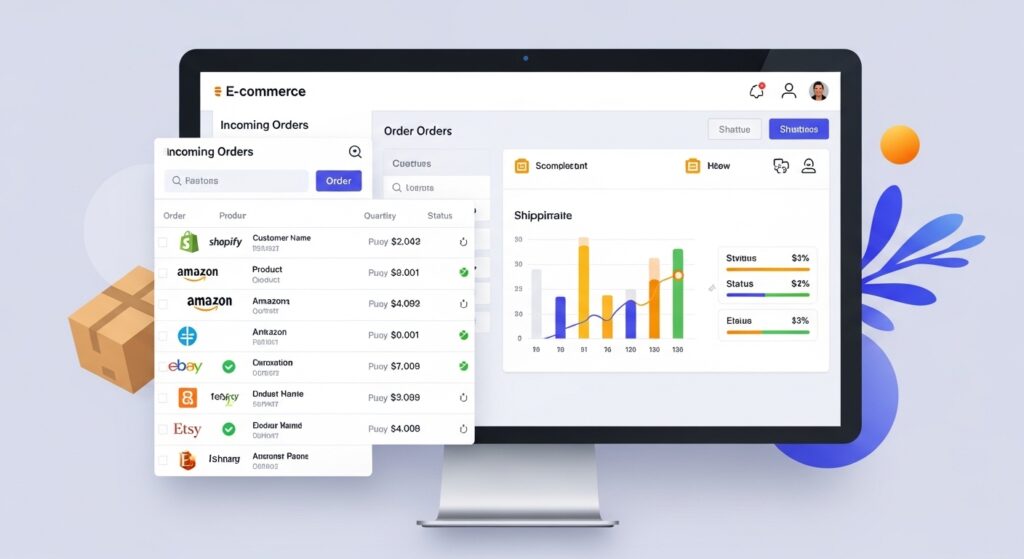
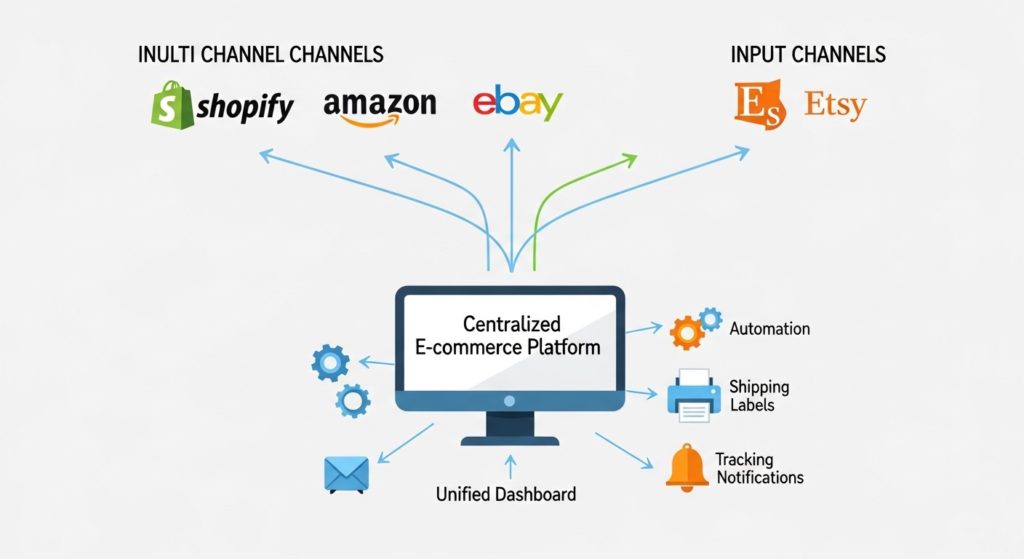
Rather than manually managing orders, printing labels, and juggling carrier accounts, merchants can use ShipStation as a centralized shipping command center. From a single dashboard, sellers can:
- Import orders from various stores and marketplaces
- Compare carrier rates
- Print shipping labels in bulk
- Automate repetitive fulfillment tasks
- Send tracking notifications to customers
So when you see Auctane ShipStation on your package label or in a tracking update, it doesn’t mean Auctane is the shipper — it simply means the seller used ShipStation’s software to process and generate that shipment.
Why the Combined Name?
- ShipStation is the product — the software merchants use.
- Auctane is the parent company that owns and develops ShipStation, along with other logistics solutions.
Shipping software isn’t a carrier or delivery service; it’s the engine that helps online sellers orchestrate shipping smoothly.
2. The History and Evolution of ShipStation
Understanding ShipStation’s evolution helps explain its prevalence and reputation in ecommerce.
Origins
ShipStation began as an independent shipping tool designed to help sellers manage fulfillment tasks without manual workflows.
Acquisition and Rebranding
In 2014, ShipStation was acquired by Stamps.com, a company known for online postage and shipping tools. Then, in late 2021, Stamps.com rebranded its entire organization as Auctane to reflect a broader focus on ecommerce logistics technology.
Under the Auctane umbrella, ShipStation remained the flagship product and retained its name — but the branding on labels, emails, and tracking pages began to incorporate both Auctane and ShipStation.
Key takeaway: The presence of “Auctane” in the shipping label is a result of corporate branding, not a change in how shipments are delivered.
3. How Auctane ShipStation Works (Step‑by‑Step)
Understanding the workflow behind Auctane ShipStation reveals why it has been adopted by tens of thousands of sellers worldwide.
1. Orders Are Imported Automatically
ShipStation integrates seamlessly with many ecommerce platforms such as:
- Shopify
- Amazon Seller Central
- eBay
- Etsy
- WooCommerce
Orders from these platforms automatically flow into ShipStation’s dashboard, eliminating manual data entry and synchronization delays.
2. Orders Are Centralized in One Dashboard
Instead of opening multiple admin panels across stores and marketplaces, sellers see all orders in one view. This reduces errors and accelerates fulfillment workflows.
3. Shipping Rates Are Compared In Real Time
ShipStation allows users to:
- Compare postage rates across carriers (like USPS, UPS, FedEx, DHL)
- Choose services based on cost, delivery speed, or service level
This real‑time comparison helps sellers offer better options to customers while controlling shipping costs.
4. Labels Are Created and Printed in Bulk
Batch label printing empowers sellers — especially high‑volume ones — to process dozens or even hundreds of orders in a single session, saving hours every week.
5. Tracking Is Sent Automatically
Once shipping labels are created, ShipStation pushes tracking numbers back to the store and sends notifications to customers. Branded tracking pages and emails enhance the post‑purchase experience.

4. Core Features That Power Ecommerce Shipping
Here’s what sets Auctane ShipStation apart from generic shipping solutions:
1. Multi‑Channel Order Management
ShipStation supports a wide range of selling channels and marketplaces, consolidating them into a unified workflow.
2. Carrier and Rate Flexibility
By integrating with major carriers both domestic and international, ShipStation lets merchants:
- Compare multiple services
- Choose cost‑effective options
- Access features like signature confirmation and insurance
3. Discounted Shipping Rates
ShipStation users often receive pre‑negotiated carrier discounts, particularly with USPS, UPS, and DHL. These discounts can translate into meaningful cost savings — especially for small and mid‑sized businesses (SMBs) trying to optimize margins.
Pro Tip: Evaluate your average shipment weight and destinations to choose the right carrier mix — sometimes slower ground options cost a fraction of expedited services.
4. Shipping Automation Rules
ShipStation can apply predefined rules based on:
- Order weight
- Destination
- Order value
- Product type
Automation rules save time and reduce manual errors — for example, automatically assigning a specific carrier service for high‑value orders.
5. Branded Tracking and Notifications
Customers receive consistent, branded tracking pages and emails, improving trust and post‑purchase satisfaction.
6. Returns Management
ShipStation supports returns processing, making it easier for merchants to handle post‑delivery exchanges and refunds.
5. Who Uses Auctane ShipStation?
The platform’s flexibility means it’s used by a wide array of ecommerce businesses:
| Business Type | Typical Use Case |
|---|---|
| Small online stores | Manage a handful of daily shipments efficiently |
| Growing brands | Centralize orders across multiple channels |
| High‑volume sellers | Batch processing and automation save hours |
| Third‑party Amazon sellers | Print labels and manage fulfillment more efficiently |
| Retailers with international orders | Compare and manage global shipping options |
Note: Amazon itself does not use ShipStation for its internal fulfillment. However, third‑party sellers on Amazon frequently integrate ShipStation with Amazon Seller Central to simplify order fulfillment.
6. Auctane ShipStation Pricing: What to Expect
ShipStation operates on a tiered subscription model that scales with your business needs. Pricing is typically based on:
- Number of shipments per month
- Number of user seats
- Access to advanced automation features
While specific prices can vary with promotions or changes over time, entry‑level plans often start around a modest monthly fee, scaling upward for sellers with larger volumes or advanced requirements.
How to Choose the Right Plan
When evaluating plans, consider:
- Peak vs average monthly shipments
- How many user accounts you need
- Which automation features you plan to use
Rule of thumb: Plans tied to your volume peak can be more predictable and cost‑effective than plans tied only to average shipment numbers.
7. The Auctane Ecosystem: Beyond ShipStation
Auctane isn’t just ShipStation — it’s a growing family of tools designed to support shipping and logistics from multiple angles:
| Product | Purpose |
|---|---|
| Stamps.com | Online postage printing and shipping |
| ShippingEasy | Simplified shipping + inventory management |
| ShipEngine | Shipping APIs for developers |
| ShipWorks | Desktop‑based fulfillment software for high volumes |
| Packlink | Delivery management tool |
| Metapack | Enterprise delivery management platform |
ShipStation sits at the center of Auctane’s ecommerce solutions, emphasizing ease of use for multi‑channel sellers.
8. Comparing Auctane ShipStation With Alternatives
Choosing the right shipping platform depends on your business’s workflow, volume, and integration needs. Here’s how ShipStation stacks up against common alternatives:
| Tool | Strengths | Best For |
|---|---|---|
| ShipStation | Multi‑carrier support, automation, branded tracking | Most ecommerce sellers |
| Ordoro | Combines shipping + inventory management | Businesses needing inventory features |
| Shippo | Simple label creation + rate comparison | Small sellers or occasional shippers |
| Stamps.com | USPS‑focused solutions | Sellers with heavy USPS use |
Quick Insight: While ShipStation is versatile and widely supported, sellers with heavy inventory management needs might prefer a solution that tightly couples shipping with stock control.
9. FAQs: What Ecommerce Sellers and Buyers Ask Most
Q: Are ShipStation and Auctane ShipStation the same?
Yes. ShipStation is the product name. Auctane is the company that owns and develops it.
Q: Why do packages say Auctane ShipStation?
The seller used ShipStation software (owned by Auctane) to generate the label. It doesn’t indicate who shipped the package.
Q: Is ShipStation safe and legitimate?
Absolutely. It’s widely used by legitimate sellers across thousands of ecommerce stores worldwide.
Q: Can I refuse a package if it says Auctane ShipStation?
Yes — follow standard carrier procedures to refuse delivery if necessary.
10. Best Practices for Using Auctane ShipStation Successfully
To get the most out of Auctane ShipStation:
1. Automate Smartly
Set up automation rules based on predictable order characteristics to reduce manual steps.
2. Optimize Carrier Mix
Evaluate delivery times vs cost for each carrier — in many cases, regional services may be faster and cheaper.
3. Maintain Accurate Order Data
Clean, accurate order information ensures shipping labels and customs documents are correct, which reduces delays.
4. Use Branded Tracking
Customers appreciate consistent branding throughout the buying and delivery experience — it builds trust.
5. Analyze Shipping Data
Regularly review shipping metrics (cost per package, delivery times, returns) to identify areas for improvement.
11. Conclusion
Auctane ShipStation is more than just software — it’s a fulfillment engine that helps ecommerce sellers streamline shipping, reduce costs, and scale operations.
For buyers, seeing Auctane ShipStation on a label doesn’t mean a mystery shipper — it reflects a sophisticated backend system that organizes orders, prints labels, and relays tracking information.