
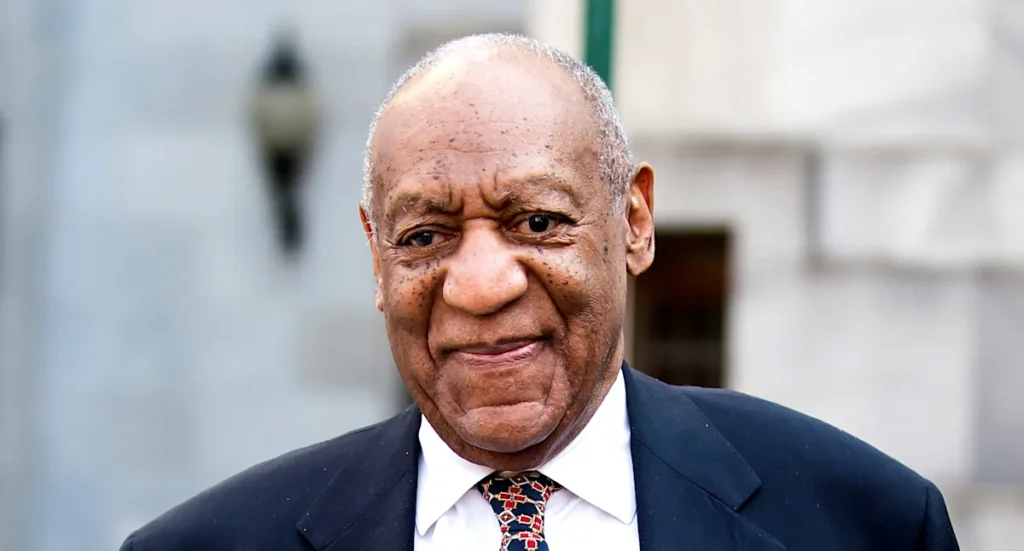
Bill Cosby was once one of America’s most beloved entertainers — a stand‑up comedy pioneer, the face of The Cosby Show, and an icon of family-friendly television. Yet over the past two decades, his legacy has been upended by decades-old allegations of sexual assault, criminal trials, civil lawsuits, prison time, landmark court decisions, and continued legal consequences. This article examines Bill Cosby’s journey — from cultural icon to controversial figure — and explains where he stands today in 2026.
We’ll walk through his rise to fame, the legal drama that followed, the details of major cases, and how worthy discussions about accountability and justice have evolved along the way.
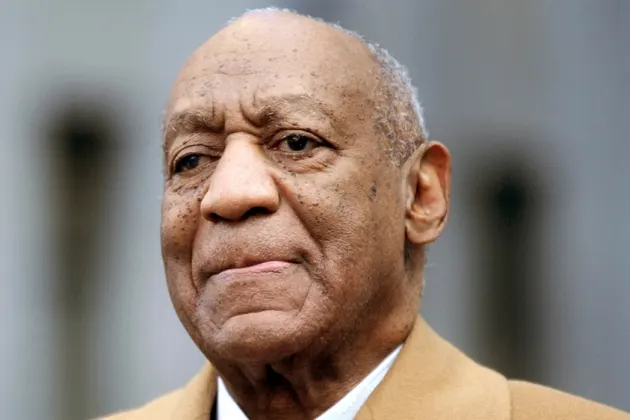
Early Life and Rise to Fame
William Henry Cosby Jr. was born on July 12, 1937, in Philadelphia, Pennsylvania. He began his career as a stand‑up comedian in the 1960s, gaining popularity for his wit, storytelling, and clean humor. By the 1970s, his comedic success led to television roles, including Cos in 1976.
The highlight of Cosby’s entertainment career came with The Cosby Show (1984–1992), where he portrayed Dr. Heathcliff Huxtable — a warm, wise father figure who became emblematic of positive African-American representation on television. The show was a massive hit, topping Nielsen ratings and reshaping sitcom culture in the United States.
At the peak of his career, Cosby wasn’t just a television star; he was a cultural force. His comedy albums, specials, and awards reflected an entertainer with widespread appeal and influence.
Yet behind this public persona, allegations that would later define his legacy were quietly accumulating.
The First Accusations: Andrea Constand and the 2004 Alleged Assault
One of the earliest public allegations against Cosby came in 2005 when Andrea Constand, a former Temple University employee, reported that Cosby had drugged and sexually assaulted her in 2004 at his Elkins Park, Pennsylvania home.
However, prosecutors initially declined to pursue criminal charges. Montgomery County District Attorney Bruce Castor publicly stated that there was insufficient credible evidence to charge Cosby at that time. Instead, Constand filed a civil lawsuit.
As part of that civil process, Cosby provided deposition testimony over several days. These statements later played a critical role in future legal proceedings. He ultimately settled the civil suit for a reported $3.38 million, and the deposition was sealed.
This early phase set the stage for future legal battles, as subsequent prosecutors would revisit the case once societal attitudes and legal strategies shifted.
Resurfacing Allegations and the Wave of Accusers (2014–2015)
Nearly a decade later, around 2014, scores of other women began publicly accusing Cosby of similar misconduct — many claiming that he drugged and assaulted them between the 1960s and 2000s. The number of women who came forward grew to nearly 60.
Among those who spoke out were notable figures like Janice Dickinson and Beverly Johnson, whose accounts brought heightened media attention. The accumulation of allegations created a watershed moment in how society viewed powerful individuals accused of sexual misconduct — predating and foreshadowing many discussions that would later become central to the #MeToo movement.
Most of these allegations could not be criminally prosecuted due to statutes of limitations, making Constand’s case the only one eligible for criminal charges at the time.
Criminal Trials: Conviction, Retrial, and Overturning
First Trial and Mistrial (2017)
In 2015, with Kevin Steele serving as Montgomery County District Attorney, prosecutors charged Cosby with three counts of aggravated indecent assault based on Constand’s allegations.
His first criminal trial began in June 2017. After six days of testimony and repeated hours of deliberation, the jury reached a deadlock, resulting in a mistrial. At that point, the prosecution sought a retrial.
Retrial and Conviction (2018)
In 2018, during the retrial, judges allowed testimony from five additional women regarding similar incidents, aiming to establish a pattern. A jury found Cosby guilty on all counts of aggravated indecent assault on April 26, 2018. He was later sentenced to three to ten years in a Pennsylvania state prison.
Cosby’s conviction was a milestone — seen by many as a symbolic triumph for survivors of sexual assault.
Overturning the Conviction (2021)
However, in a stunning legal turn, the Pennsylvania Supreme Court unanimously overturned Cosby’s conviction on June 30, 2021. The court ruled that Cosby’s due process rights had been violated because of a promise made by former prosecutor Bruce Castor in 2005 not to criminally charge him if he testified in the civil lawsuit. Because Cosby relied on that assurance, the court concluded it was unconstitutional to use his testimony in a criminal trial.
As a result, Cosby was released from prison the same day, having served nearly three years of his sentence. The court also barred any further criminal prosecution in that case.
This decision sparked intense debate. Some viewed the ruling as a necessary protection of constitutional rights, while others saw it as a failure of the justice system to hold powerful figures accountable.
Other Civil Cases and Continuing Legal Challenges
Even after his criminal conviction was overturned, Cosby continued to face civil lawsuits:
Donna Motsinger Civil Trial (2026)
In March 2026, a California civil jury found Bill Cosby liable for drugging and sexually assaulting Donna Motsinger in 1972. The jury awarded her a significant judgment — an initial $19.25 million in damages, with the possibility of punitive damages to be determined.
The case was made possible by changes in California law that extended the window for sexual abuse civil claims. Motsinger, who alleged she was incapacitated and assaulted after being offered wine and a pill, expressed that the verdict represented long‑awaited justice.
Judy Huth Verdict (2022)
In 2022, Cosby also faced civil liability in a case brought by Judy Huth, who alleged sexual assault at the Playboy Mansion in 1975 when she was 16. A Los Angeles jury awarded her $500,000 in damages.
Media Coverage and Public Perception
Over the years, media coverage from major outlets chronicled every twist in Cosby’s story — from his early popularity, to the wave of accusations, to the trials and appeals that followed.
The narrative arc — a beloved entertainer brought low by multiple allegations and complex legal battles — has fueled intense debate over accountability, justice, and celebrity culture. For many, Cosby’s case became emblematic of larger conversations around how sexual assault allegations are handled, especially when powerful people are involved.
Where Is Bill Cosby Today (2026)?
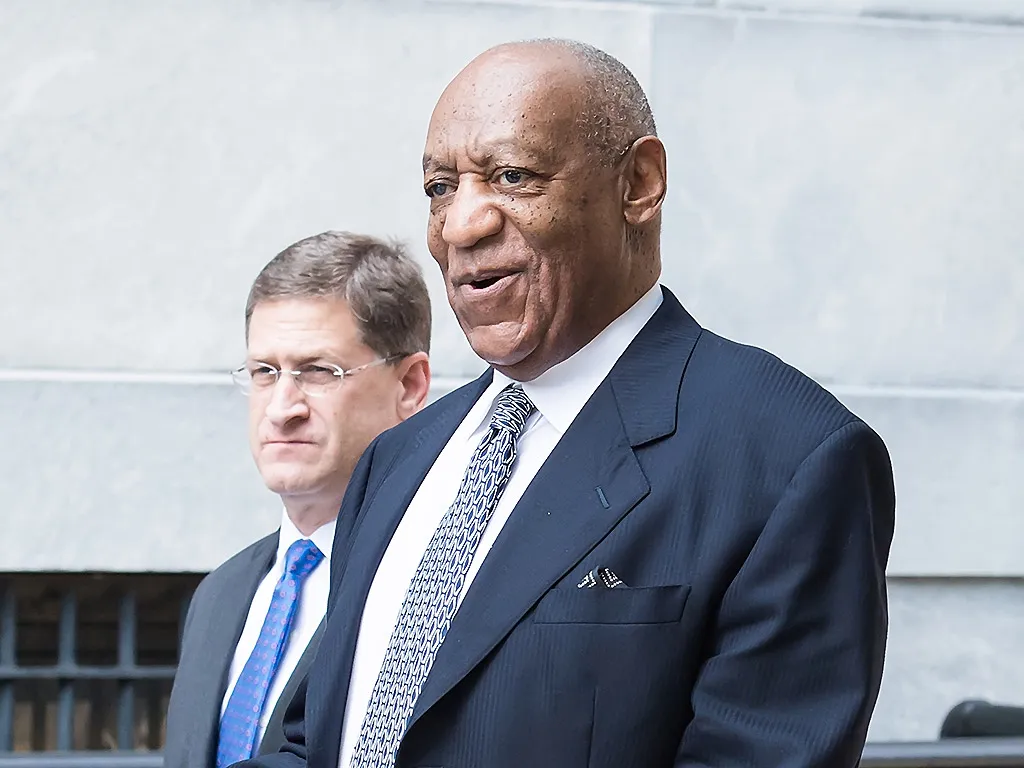
As of 2026, Bill Cosby has largely stayed out of the public eye. At 88 years old, the entertainer is rarely seen outside of legal proceedings and brief statements through his legal team.
Despite attempts and announcements at various points to consider a comeback tour or public engagement, his ongoing legal issues and damaged reputation have kept him out of mainstream entertainment.
Financially, longstanding lawsuits and judgments have had an impact on his resources, though reports suggest he retains significant assets even as properties have changed hands in recent years.
Legacy and Cultural Reflection
Bill Cosby’s story raises complicated questions about fame, legacy, justice, and accountability:
- Cultural impact vs. personal conduct – Can society separate Cosby’s contributions to television from serious misconduct allegations?
- Legal precedent – The Pennsylvania Supreme Court’s decision highlights the importance and complexity of constitutional protections in criminal prosecutions.
- Survivor advocacy – Civil litigations like those brought by Motsinger and Huth illustrate shifting legal landscapes that empower survivors to pursue justice decades after alleged incidents.
Conclusion
Bill Cosby’s life and legacy are a stark example of how public perception, legal systems, and cultural values can shift dramatically over time. Once a cherished entertainer celebrated for breaking barriers, Cosby’s name is now deeply associated with allegations of sexual misconduct, legal controversies, and the fight for justice by numerous women.
While the criminal conviction against him was overturned, civil judgments continue to shape his story — and those seeking accountability insist that the conversation around Cosby’s legacy has broader implications for society’s approach to power, celebrity, and justice.
Through understanding the facts, timelines, legal outcomes, and personal narratives involved, readers can better engage with the deeper questions his case raises about accountability and the very nature of justice in America.