Are you stuck on today’s connections hint mashable? You’re not alone. Thousands of players turn to Mashable for the perfect connections hint mashable that helps unlock the puzzle without giving away the fun. In this guide, we’ll explore how Mashable’s hints work, why they’re so popular, and how you can use them strategically to improve your puzzle-solving skills.
Whether you’re a casual player or a Connections master, understanding the structure of hints and applying smart strategies can transform the way you approach these challenging puzzles.
Understanding NYT Connections: The Puzzle Mechanics
Before diving into hints, it’s important to understand what makes NYT Connections such a unique and engaging puzzle.
Puzzle Structure and Grid Format
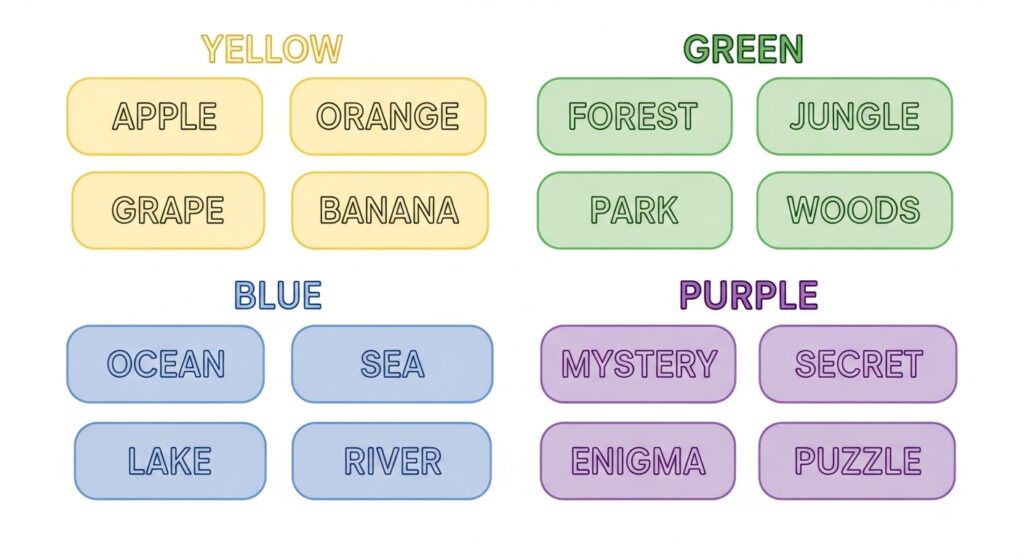
NYT Connections, created by Wyna Liu in 2023, is deceptively simple. Each daily puzzle presents:
- A 4×4 grid containing 16 words.
- Four categories, each containing four words.
- Color-coded difficulty levels:
| Color | Difficulty | Typical Relationship Type |
|---|---|---|
| Yellow | Easiest | Obvious categories (animals, foods) |
| Green | Medium | Related concepts or fields |
| Blue | Challenging | Word relationships or usage patterns |
| Purple | Most Difficult | Obscure or punny connections |
The game’s charm lies in its lateral thinking challenge. Unlike traditional crossword puzzles or Wordle, Connections requires players to identify relationships between seemingly unrelated words.
Unique Cognitive Challenges of Connections
Connections isn’t just about recognizing obvious categories. Players must navigate:
- Red herrings: Words designed to mislead and create false patterns.
- Homographs: Words with multiple meanings, e.g., “BASS” (fish or instrument).
- Category overlaps: Words that could fit in multiple groups, forcing careful analysis.
Recognizing these subtleties is key to mastering the game—and this is where Connections hints from Mashable become invaluable.
Why Hints Are Essential
With only four incorrect attempts allowed per puzzle, hints serve a dual purpose:
- Enhancing learning – They guide you to discover patterns and relationships.
- Preserving challenge – Unlike complete solutions, hints provide just enough guidance to keep the game fun.
Mashable has become the leading resource for such hints, offering a structured, tiered approach that caters to beginners and experts alike.
How Mashable’s Hint System Works
Mashable’s approach to Connections hints stands out for its balance of assistance and puzzle integrity. Let’s break down how their system functions.
Overview of Tiered Hint Levels
Mashable provides four progressive hint types:
- Category hints – Vague thematic clues pointing toward the group.
- Word pattern hints – More specific guidance about relationships or usage patterns.
- Partial answers – Reveal one or two words from a category.
- Complete solutions – Full answers for players who are truly stuck.
This graduated system ensures that players can choose just the right amount of help. For example, a category hint for a fruit group might read, “These items might be found in a produce section”, offering guidance without spoiling the puzzle.
Visual and UX Enhancements
Mashable goes beyond text hints by improving accessibility and readability:
- Bold text for key category clues.
- Color-coded sections corresponding to game difficulty.
- Collapsible sections to prevent accidental spoilers.
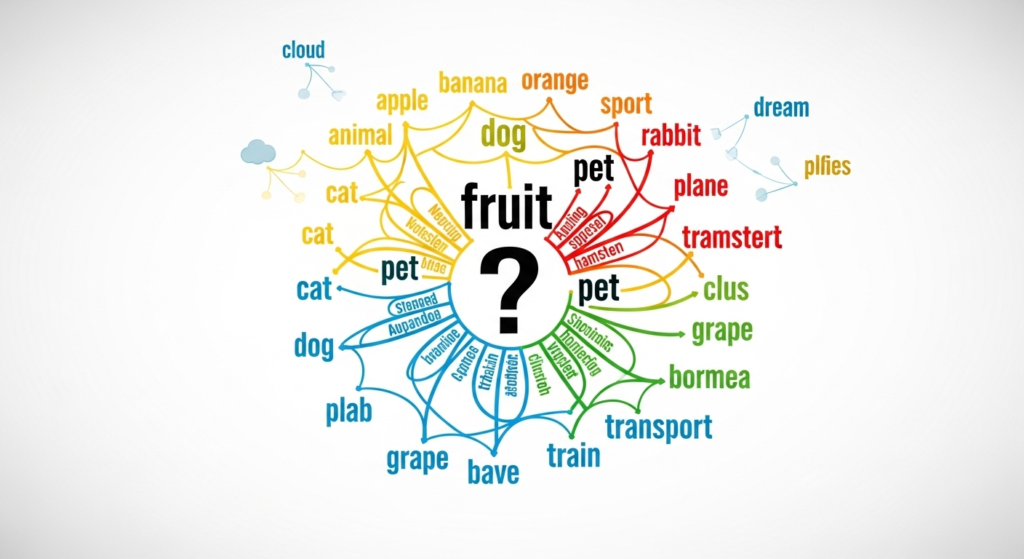
- Hint maps to visualize relationships between categories and potential overlaps.
These enhancements make hints easier to digest, especially for mobile users, who make up a significant portion of the player base.
Mashable’s Publication Speed and Reliability
Mashable typically posts hints within connections hint mashable and updates may follow for particularly difficult puzzles. This consistency has built trust within the community. Players know they can rely on timely, accurate guidance without losing the sense of discovery that makes the puzzle enjoyable.
Real Examples of Mashable Hints in Action
Seeing hints in action illustrates their effectiveness better than explanations alone. Here are examples across difficulty levels:
Yellow Category Example (Easiest)
Puzzle #143 – Yellow Group: APPLE, CHERRY, LEMON, ORANGE
- Category Hint: “These items might be found in a produce section”
- Word Pattern Hint: “They all grow on trees”
- Partial Answer: “APPLE and ORANGE belong in this group”
This example demonstrates how hints guide players from general categories to specific answers, helping them recognize food patterns quickly.
Purple Category Example (Hardest)
Puzzle #157 – Purple Group: FLIES, LIES, PIES, TIES
- Category Hint: “Look closely at what these words have in common”
- Word Pattern Hint: “Consider how these words are pronounced”
- Word Pattern Hint 2: “These words all rhyme with ‘eyes’”
- Partial Answer: “FLIES and TIES belong in this group”
For complex puzzles, hints focus on phonetic patterns and subtle linguistic relationships, teaching players to spot less obvious connections.
Blue and Mixed Case Example (Intermediate Challenge)
Puzzle #165 – Blue Group: CAST, EDITION, MOLD, STAMP
- Category Hint: “Think about creating multiple copies”
- Word Pattern Hint: “These words can all function as verbs”
- Word Pattern Hint 2: “These all relate to manufacturing processes”
- Partial Answer: “CAST and MOLD belong in this group”
This demonstrates Mashable’s ability to help players focus on contextual meanings rather than surface-level word similarities.
Advanced Techniques for Using connections hint mashable Effectively
Using hints strategically is just as important as solving the puzzle. Here’s how to maximize their value.
Progressive Hint Strategy
- Attempt the puzzle on your own first.
- Check category hints after two incorrect guesses.
- Move to word pattern hints if still stuck.
- Use partial or complete answers only as a last resort.
This approach builds problem-solving skills while preserving the puzzle’s challenge.
Recognizing Mental Blocks
Some blocks are common:
- Fixation block: Stuck on an incorrect pattern.
- Vocabulary block: Words have unknown meanings.
- Conceptual block: Unfamiliar categories or themes.
Mashable hints provide targeted guidance to overcome these blocks without giving away the full answer.
Building Long-Term Solving Skills
Beyond individual puzzles, hints can help you:
- Track patterns in tricky categories.
- Maintain a “mental library” of recurring connections.
- Apply selective hint usage strategies, like the “Monday method,” where hints are used only on the hardest days to build skills.
Community and Collaboration: Beyond the Hints
Mashable’s value extends beyond the hints themselves.
User Interaction and Contributions
- Comment sections allow players to share alternative solutions and tips.
- Users can suggest unique connections, helping each other without revealing complete answers.
Social Media Integration
- Reddit (r/NYTConnections): Crowd-sourced discussions and hints.
- Twitter (#NYTConnections): Real-time clue sharing.
- Facebook Groups: Community-based puzzle discussion.
These platforms turn solo puzzle-solving into a collaborative experience.
Historical Archives and Companion Resources
- Pattern Library: Collection of recurring word relationships.
- Connections Concepts: Glossary of common category types.
- Difficulty Calendar: Tracks puzzle difficulty trends over time.
Players can study past puzzles to improve strategy and pattern recognition.
Comparative Analysis connections hint mashable
Understanding competitors highlights why Mashable is a preferred resource.
| Source | Strengths | Limitations |
|---|---|---|
| NYT Official Hints | Guaranteed accuracy | Single hint level; limited guidance |
| Multiple perspectives | Quality varies; spoilers possible | |
| Twitter (@ConnectionsClues) | Fast and concise | Lacks depth; no tiered hints |
| Independent Puzzle Sites | Specialized approaches | Varies; sometimes slow |
| Mashable | Tiered, progressive hints; community engagement | Very few limitations |
Mashable combines speed, depth, and accessibility, making it superior for players of all levels.
Tips and Strategies from Connections Masters
Experts often share strategies that casual players may overlook.
- Timing strategies: Two-minute rule for stuck puzzles; initial category scanning.
- Memory-building: Review missed connections daily; maintain personal category lists.
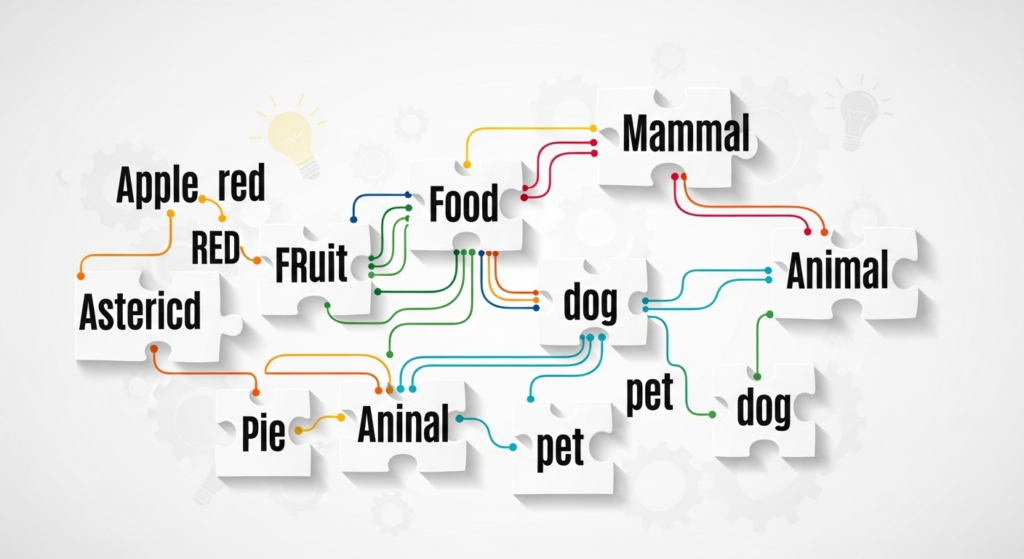
- Visual mapping: Use color-coding or physical arrangement to visualize word relationships.
- Category recognition shortcuts: Words with similar syllables, letters, or sentence structures are often linked.
“I track every category I miss in a spreadsheet. After three months, I rarely miss the same type twice.” – 100-day Streak Player
Troubleshooting Common Connections Challenges
Even with hints, some puzzles are tricky.
- Split groups: Words from the same theme appearing in multiple categories.
- Red herrings: Words designed to mislead.
- Homographs and category overlap: Words that fit multiple patterns.
- Cultural references: Some connections require external knowledge.
Strategies include process of elimination, verifying all four words in a group, and knowing when to step back for a fresh perspective.
FAQ About connections hint mashable
Where can I find Mashable hints?
Hints are published daily in Mashable’s Games section.
Are the hints free?
Yes, completely free and accessible without an account.
How soon are hints posted?
Typically 3–4 hours after each puzzle’s midnight ET release.
Are past puzzle hints available?
Yes, Mashable maintains a comprehensive archive.
How are hints created?
Gaming editors solve each puzzle independently and craft hints to balance guidance with challenge.
How accurate are Mashable hints?
Accuracy exceeds 99%, with a corrections policy in place for rare errors.
Conclusion: connections hint mashable
Mashable’s tiered Connections hint system has revolutionized the puzzle experience. By offering structured guidance, fostering community collaboration, and teaching long-term problem-solving skills, Mashable empowers players to tackle any puzzle confidently.
Remember:
- Use hints progressively to improve skills without losing fun.
- Track patterns and personal solving data to build a “mental library.”
- Engage with the community to share insights and discover new strategies.
Ultimately, the best hint is the one that sparks your own “aha!” moment, turning every puzzle into a learning experience.