
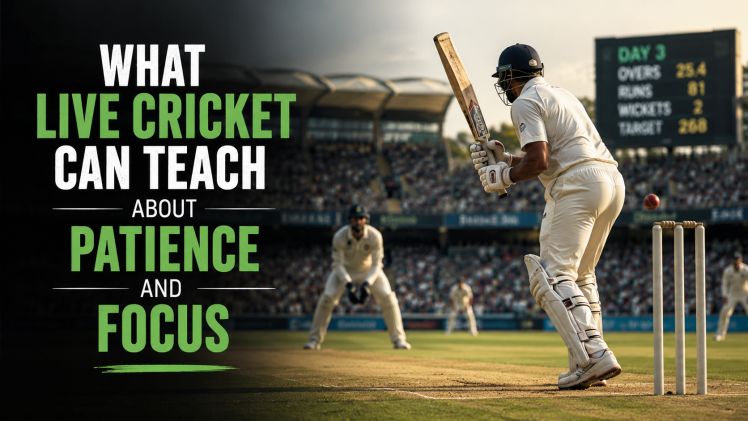
Live cricket can pull people into quick reactions. One wicket feels huge. One strong over looks like control. One slow phase can make fans think the match is slipping away. Still, cricket rarely gives the full picture immediately. It asks people to watch the shape of the game, not only the latest ball. For fans who want to check the current match without losing a calm view of the game, desi cricket match today live can offer a quick look at what is happening now. The page gives the score, wickets, overs, and match direction, but the better reading still comes from patience. A match has to unfold before its meaning becomes clear.
Why cricket rewards patience
Cricket is not built for instant judgment. A team can look slow early, then build a strong finish. A batter can take time before finding the right pace. A bowler can lose one over, then return with control. That is why patience matters when following the game. The match may look one way in the fifth over and completely different by the fifteenth.
This is part of cricket’s appeal. The sport gives small signs before it gives answers. A partnership may begin quietly. A pressure spell may not bring a wicket right away. A chase may look calm until the required rate starts climbing. Fans who watch with patience usually read these signs better. They do not treat every ball like the final word. They let the match show its pattern.
That kind of patience is useful beyond the scoreboard too. It keeps the fan from reacting too hard to one moment. Cricket changes often enough to punish early certainty.
How live match checking can stay balanced
Live checking is useful when it helps fans stay aware. It becomes less useful when every refresh starts to feel urgent. A cricket live page should be a tool for checking the current state, not a reason to lose all sense of proportion. A short visit can show the score, wickets, overs, and match phase. That may be enough until the game gives a real reason to check again.
The practical value of a live page is that it gives fast context. Fans can see whether the game has shifted, whether a wicket changed the pressure, or whether the batting side is building control. That does not mean the page has to be open every second. Balanced checking works better. Look at the match, understand the moment, then let the game breathe.
Cricket is more enjoyable when the fan is not chasing every small update. The match has its own pace. Following it well means respecting that pace.
What focus looks like during a moving match
Focus does not mean staring at every update without pause. In cricket, focus means knowing what to notice. The score matters, but not by itself. Wickets matter, but they need match phase. Overs matter, but they need pressure. A fan who follows only one number may miss the actual shape of the game.
A focused fan watches how the pieces connect. Is a partnership steady or stuck? Is the bowling side building pressure or only saving runs? Is the chase under control or quietly drifting? Is a player adjusting to the moment or fighting against it? These questions give the match more meaning.
This is where live cricket becomes more than quick checking. The page may show the current state, but focus helps explain what that state means. A score can look fine until the wickets show risk. A run rate can look difficult until the set batter changes pace. Focus turns live information into understanding.
What fans should notice before reacting
Before reacting too strongly, it helps to read the match through a few simple details. These points give a calmer view of what is really happening.
- Score with wickets. A score means more when the risk behind it is clear.
- Overs left. Timing changes the value of every run and every dot ball.
- Partnership strength. Stability can matter as much as scoring speed.
- Pressure shift. One tight spell can change the mood without a wicket.
- Recent phase. The last few overs often explain why the match feels different.
These checks take little time, but they prevent shallow reactions. A fan may see a score and think the match is safe, then notice the wickets and understand the risk. Another fan may see a slow phase and assume trouble, then notice that a partnership is quietly settling. Cricket needs this wider view.
Why quick reactions can miss the larger picture
Cricket often makes quick reactions look foolish. A team that seems behind can rebuild through one partnership. A player who starts slowly can change the tempo after settling in. A bowler who gets attacked early can return with a better plan. A match that looks almost finished can turn again before the final phase.
That is why rushed judgment rarely works well. It catches emotion, but it misses shape. A live score tells what is happening now, but not always what is developing underneath. Patience gives fans time to see whether a moment is real control or only a short burst. Focus helps separate a temporary swing from a lasting change.
This does not mean fans should avoid emotion. Cricket is meant to be felt. But emotion works better when it sits beside perspective. A strong reaction after one ball may feel natural, but a clearer view often comes after seeing how the next phase responds.
Last thought before the next over
Live cricket pages give fans the present moment. They show the score, wickets, overs, and direction of play. That is useful, especially when the match is active and changing. Still, the page only shows the current chapter. Patience and focus help explain what that chapter means.
A calmer way to follow cricket is simple: check the match, read the moment, avoid rushing the judgment, and let the game reveal more. One over can matter, but it may not decide everything. One wicket can change pressure, but the response after it matters too. Cricket rewards those who can watch the movement without losing perspective. That is where the game becomes richer than the score alone.